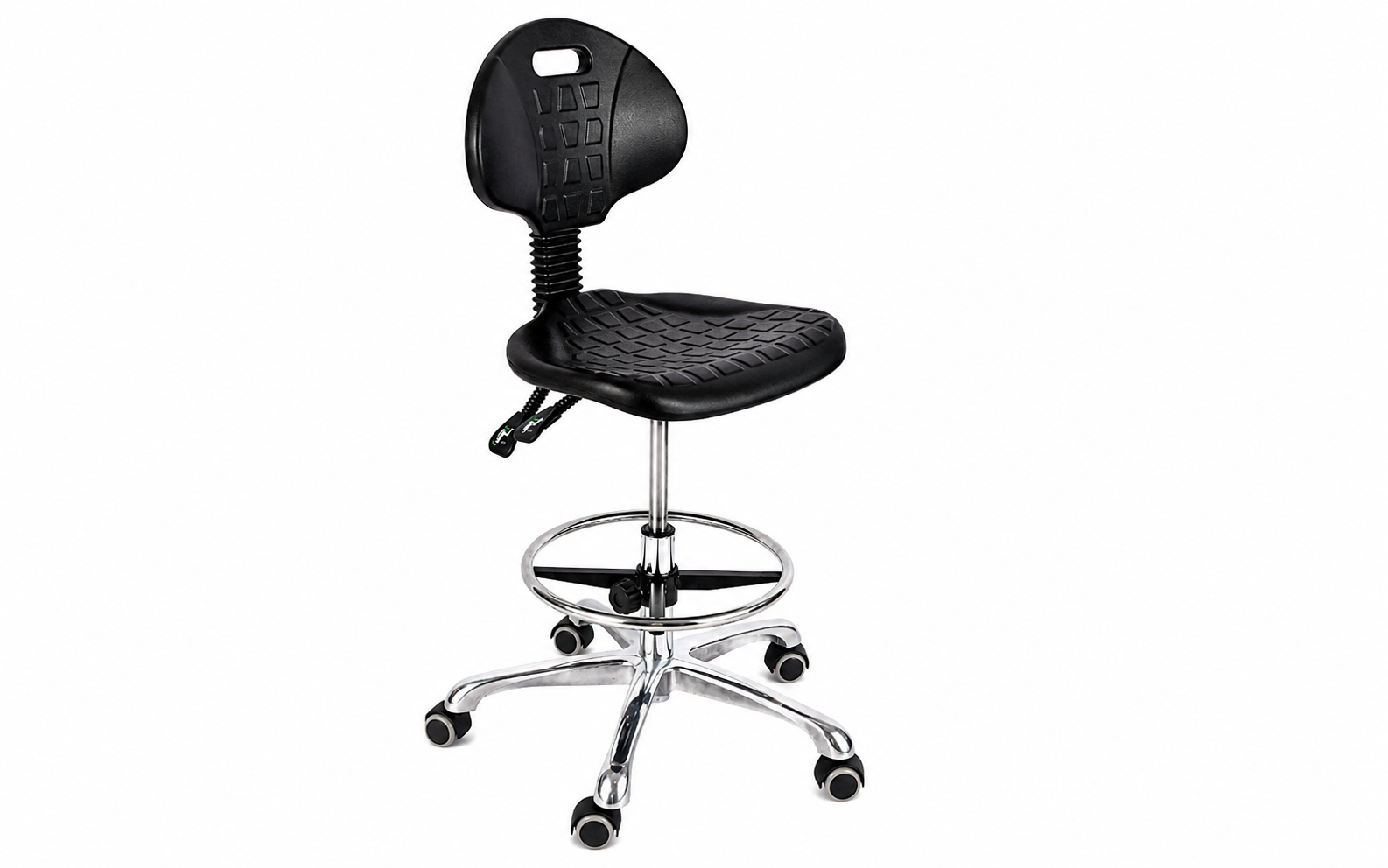
Distributors in Argentina can build long-term and stable B2B procurement partnerships with overseas laboratory chair manufacturers by moving from transactional importing to structured partnership governance that defines product expectations, communication routines, risk responsibilities, and market development goals before the first large order is placed. Many distributors begin overseas sourcing by comparing price lists and minimum order quantities, but a stable B2B relationship requires deeper qualification because laboratory chair customers often need consistent specifications, predictable replenishment, professional documentation, warranty support, and repeatable product identity across future purchases. Argentine distributors serving universities, hospitals, pharmaceutical laboratories, biotechnology facilities, food testing centers, environmental analysis units, technical education workshops, electronics testing rooms, and industrial inspection areas should evaluate overseas manufacturers through a partnership scorecard that includes production consistency, product engineering capability, component stability, packaging standards, export experience, communication speed, documentation quality, response to service issues, and willingness to support local market positioning. A product such as industrial polyurethane with chrome foot ring and casters adjustable laboratory chair can be used as a practical partnership benchmark because it involves multiple details that must remain stable over time, including polyurethane seating, chrome foot ring quality, caster compatibility, adjustable mechanism reliability, packaging protection, spare parts planning, and reorder codes. A distributor that cannot rely on the manufacturer to maintain these elements will struggle to build trust with Argentine customers. Long-term procurement partnerships should therefore include agreed product specifications, approved samples, inspection rules, packaging requirements, lead-time expectations, component-change notification procedures, and warranty communication methods. This foundation is especially important for Argentine distributors because local B2B customers may judge the distributor, not the overseas manufacturer, when a product changes unexpectedly or when replacement support is unclear. By qualifying manufacturers as strategic supply partners rather than low-cost vendors, distributors can protect their reputation, reduce procurement uncertainty, and offer Argentine customers a more reliable laboratory furniture sourcing experience.
The second step is to create operating mechanisms that make overseas manufacturer cooperation predictable across forecasting, ordering, quality control, logistics, and market support. Stable partnerships cannot depend only on goodwill; they need shared routines that turn commercial intentions into reliable execution. When planning procurement for industrial polyurethane with chrome foot ring and casters adjustable laboratory chair, Argentine distributors should provide manufacturers with demand forecasts by customer segment, expected order cycles, seasonal project windows, tender opportunities, replacement demand, and regional growth priorities. A manufacturer that understands how Argentine distributors sell to universities, hospitals, laboratories, industrial buyers, and institutional projects can prepare better production plans, reserve key components, and support more accurate delivery commitments. Distributors should also define order confirmation checkpoints, including sample approval, product code verification, packaging confirmation, inspection timing, shipping document review, and estimated arrival planning. Quality communication should be specific rather than general. Instead of saying that the product must be good quality, the partnership should define acceptable surface condition, foot ring finish, caster function, height adjustment performance, carton strength, accessory completeness, labeling, and claim evidence requirements. Logistics planning should include realistic production lead times, container or shipment consolidation options, emergency replenishment rules, customs-document preparation, and how urgent customer needs will be handled. For Argentine distributors in Buenos Aires, Córdoba, Rosario, Mendoza, and other regional markets, these operating mechanisms help reduce delays, surprise costs, and customer-facing uncertainty. Market support is also part of partnership stability. Overseas manufacturers can provide product images, technical sheets, comparison guides, SEO-friendly application content, warranty explanations, and training materials that help distributors educate Argentine customers before quotation. This is valuable because strong B2B procurement partnerships should help distributors sell better, not only buy cheaper. When manufacturer support improves distributor communication, customers receive clearer proposals, internal approvals move faster, and long-term channel confidence grows.
The third requirement is to manage overseas manufacturer partnerships through lifecycle performance reviews, local customer feedback, and joint improvement plans that keep the relationship stable even as market demand changes. After Argentine distributors sell industrial polyurethane with chrome foot ring and casters adjustable laboratory chair to local customers, they should record the customer sector, installation region, order quantity, delivered condition, user feedback, packaging performance, warranty questions, spare parts requests, reorder timing, complaint frequency, and expansion potential. These records should be shared with overseas manufacturers in organized review meetings so both sides can identify what is working and what must improve. If universities repeatedly ask for bulk standardization, the manufacturer can support clearer product codes and stronger packaging for large orders. If hospitals or pharmaceutical customers need more documentation, the manufacturer can provide better specification files and supply continuity statements. If industrial customers require faster replacement, the distributor and manufacturer can plan component availability, stock buffers, or phased replenishment. Partnership dashboards should measure production punctuality, inspection pass rate, packaging claim rate, document accuracy, shipment reliability, component-change transparency, warranty response speed, spare parts fulfillment, reorder growth, and customer satisfaction. These indicators prevent the relationship from becoming emotional or price-driven; both sides can discuss performance using evidence. Argentine distributors should also protect the partnership commercially through annual agreements, territory or channel expectations, brand presentation rules, product training commitments, and shared marketing calendars. SEO articles, procurement guides, showroom content, and digital catalogs can translate manufacturer capability into searchable market trust, attracting Argentine distributors and customers who are looking for dependable laboratory chair supply partners. A stable overseas partnership should ultimately help local buyers feel that imported laboratory seating is supported by a professional Argentine distributor with reliable manufacturer backing. Distributors in Argentina can build long-term and stable B2B procurement partnerships with overseas laboratory chair manufacturers by combining supplier qualification, specification governance, forecast sharing, quality checkpoints, logistics coordination, lifecycle feedback, spare parts planning, and joint market development. This approach reduces sourcing risk, improves customer confidence, strengthens distributor credibility, and creates a sustainable laboratory furniture procurement model for Argentina’s professional B2B market.
READ MORE