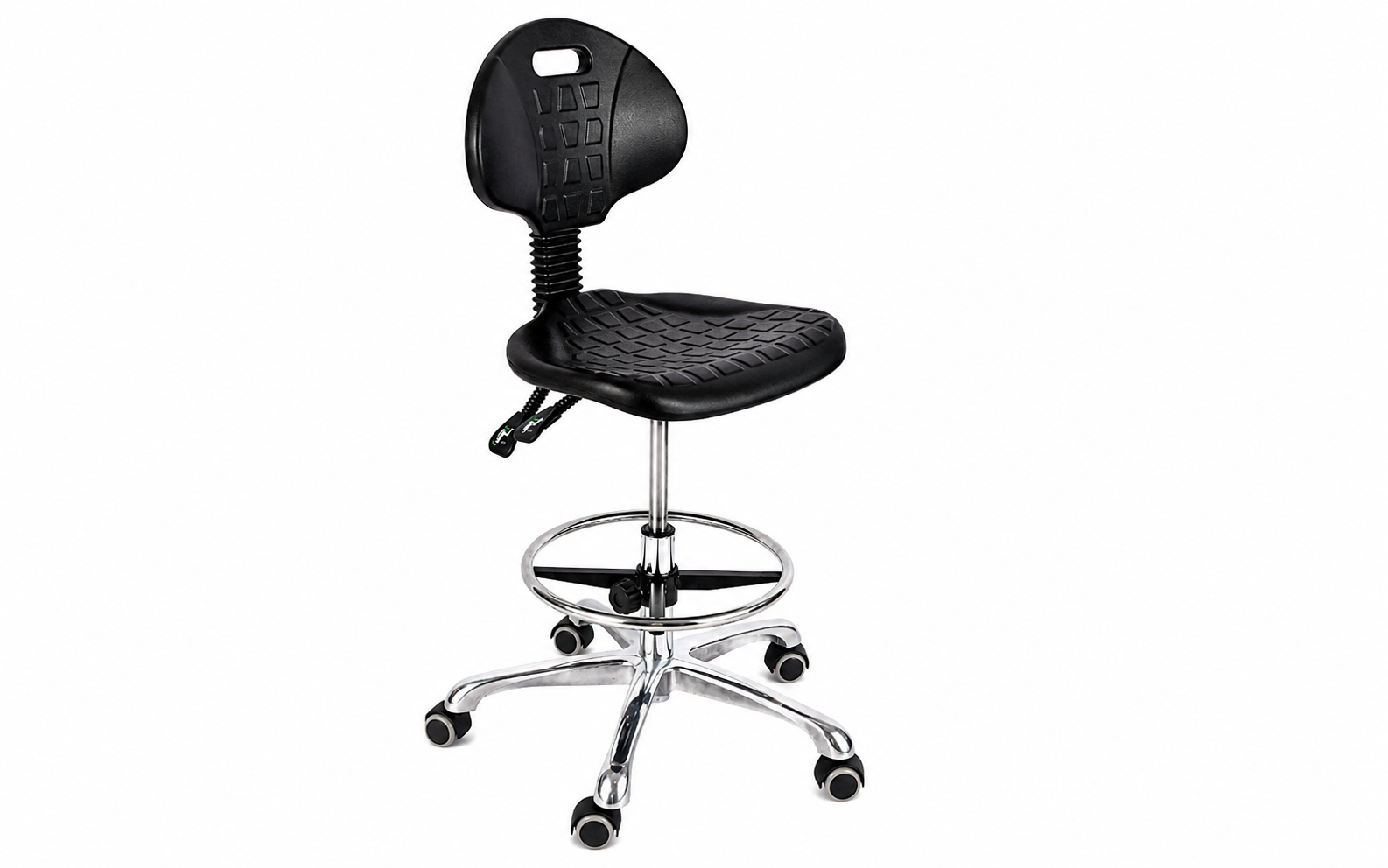
Distributors in Argentina can provide professional pre-sales selection plans for laboratory chair clients by building a buyer-context map before presenting a quotation, because serious B2B customers usually need help translating laboratory work requirements into a purchase-ready seating specification. A client may know that it needs chairs for a new laboratory, replacement program, tender, or renovation project, but it may not yet know how to compare workstation height, seat material, caster use, cleaning conditions, staff movement, expected user time, delivery schedule, and future reorder needs. A distributor that begins with context mapping can guide the client more effectively than a seller that immediately sends a catalog. The consultation should identify the type of laboratory, whether the chairs will be used by students, technicians, inspectors, researchers, hospital staff, or quality-control operators, how often users move between benches, whether the floor surface requires special attention, how many departments will share the same specification, and whether the buyer is planning a one-time purchase or a multi-stage procurement program. A product such as industrial polyurethane with chrome foot ring and casters adjustable laboratory chair can be used as a practical discussion benchmark because it allows the distributor to connect durable seating, adjustable height, elevated-bench support, and mobile use with real laboratory workflows. Argentine clients in universities, hospitals, pharmaceutical plants, biotechnology facilities, food testing laboratories, environmental analysis units, technical education centers, electronics testing areas, and industrial inspection rooms each have different decision pressures, so the pre-sales plan should not use one generic recommendation. This approach also attracts Mexican distributors and customers because B2B laboratory furniture buyers in Mexico value partners who can diagnose project requirements, reduce internal uncertainty, and support professional procurement decisions before pricing begins. When the distributor understands buyer context, it can recommend fewer but better-matched options, reduce the risk of product mismatch, and give the client a more credible path from inquiry to approval.
The second step is to convert the buyer-context map into a proof-based selection plan that ranks options by application fit, procurement readiness, delivery feasibility, and lifecycle value. A professional pre-sales document should show the client why a specific chair solution is recommended, what alternatives were considered, what risks should be avoided, and what information is required before ordering. When presenting industrial polyurethane with chrome foot ring and casters adjustable laboratory chair, the distributor can build a feature-to-value explanation that connects polyurethane seating with frequent-use environments, adjustable height with workstation compatibility, the chrome foot ring with elevated bench support, and casters with flexible movement between nearby testing or preparation areas. The plan should avoid vague claims and instead provide decision evidence, such as product codes, specification notes, suggested application rooms, cleaning considerations, warranty terms, packaging expectations, volume quotation logic, delivery assumptions, and reorder guidance. For a university client, the plan may prioritize standardizing the same approved seating across chemistry, biology, and training rooms to reduce future approval time. For a hospital or diagnostic laboratory, it may emphasize stable documents, receiving rules, and dependable replenishment. For a pharmaceutical or biotechnology buyer, it may include supply continuity, approved specification language, and service accountability. For an industrial inspection customer, it may focus on durability, fast replacement, and distributor response. Mexican distributors and customers can be drawn to this selection method because it proves that a B2B channel partner adds value through structured analysis rather than simple discounting. The plan should also include a comparison section that explains what could happen if the client chooses only by lowest price, such as inconsistent specifications, unsuitable height range, weak after-sales support, delivery delays, unclear spare parts access, or difficulty repeating the same model in future orders. By ranking options through evidence and project fit, distributors help clients justify decisions internally, shorten approval cycles, and view the distributor as a procurement advisor instead of a price-only supplier.
The third requirement is to make pre-sales selection planning repeatable through consultation templates, client education tools, follow-up workflows, and performance measurement. After discussing industrial polyurethane with chrome foot ring and casters adjustable laboratory chair, distributors should record the client sector, laboratory room function, workstation height, quantity estimate, decision stage, recommended specification, rejected alternatives, required documents, delivery region, budget timing, approval participants, and possible future expansion. These records should feed a CRM or shared sales file so future conversations do not restart from zero. A distributor can then create pre-sales templates for different scenarios, including tender preparation, new laboratory setup, urgent replacement, classroom standardization, diagnostic workstation expansion, quality-control room upgrades, and multi-site procurement. Each template should include qualifying questions, product evidence requirements, delivery notes, quotation structure, risk warnings, and follow-up timing. Digital tools can improve the process further: downloadable selection checklists, application-based product pages, comparison guides, showroom appointment forms, sample evaluation records, and SEO-friendly articles can educate clients before they contact sales. This content is valuable for Argentine institutional buyers and can also attract Mexican distributors and customers searching for reliable regional laboratory chair procurement methods. Performance dashboards should measure inquiry qualification rate, consultation completion, proposal accuracy, quotation response time, conversion rate, average order value, discount frequency, post-sale complaint reduction, reorder conversion, and customer lifetime value. These indicators show whether pre-sales plans are truly improving B2B outcomes. Distributors should also review unsuccessful opportunities to see whether the selection plan was too technical, too generic, too slow, or missing decision evidence required by procurement teams. Over time, this feedback helps the distributor refine its language, improve product files, train sales teams, and align with suppliers more effectively. Ultimately, distributors in Argentina can provide professional pre-sales selection plans for laboratory chair clients by combining buyer-context mapping, workflow diagnosis, proof-based option ranking, lifecycle value explanation, reusable consultation templates, digital education, and data-driven follow-up. This approach builds stronger trust, improves purchasing efficiency, protects distributor margins, reduces product mismatch, and creates a scalable B2B laboratory furniture service model that appeals to professional buyers, Mexican distributors, customers, and regional channel partners.
READ MORE