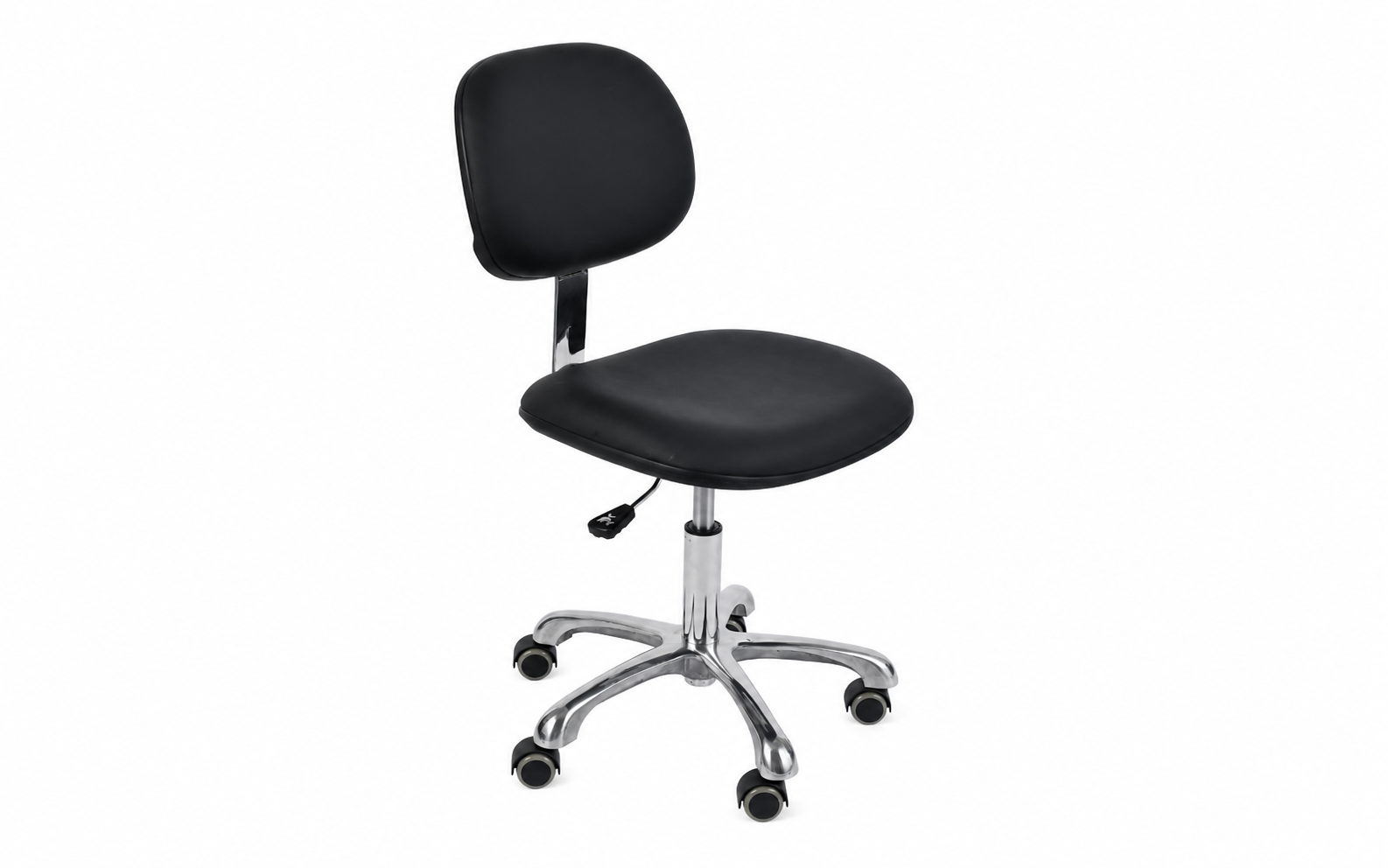
Efficient import customs clearance for laboratory chairs in Argentina starts before the shipment leaves the factory. B2B buyers, distributors, and project suppliers should treat clearance as a coordinated sales operation, not only as a logistics task. The product description, invoice, packing list, HS classification review, unit quantity, material explanation, and buyer details must tell the same story across every document. When information is incomplete or inconsistent, customs brokers need extra clarification, cargo waits longer, and customers lose confidence. For a product such as an industrial polyurethane with chrome foot ring and casters adjustable laboratory chair, the supplier should provide clear specifications about seat material, adjustable mechanism, base structure, foot ring, casters, packaging dimensions, and intended laboratory use. Argentine distributors can then prepare faster quotations, reduce document corrections, and reassure hospitals, universities, testing centers, and industrial laboratories that delivery planning is under control.
The most effective buyers create a pre-clearance file for every repeated chair model. This file can include product photos, technical sheets, commercial invoice templates, packing standards, translated descriptions, spare part references, and a history of previous import shipments. Instead of solving the same questions again with each order, the distributor builds an internal knowledge base that sales, purchasing, finance, warehouse, and customs broker teams can all use. This is especially valuable for B2B customers that buy in batches, because a small delay can affect laboratory openings, tender schedules, or installation dates. A buyer importing an industrial polyurethane with chrome foot ring and casters adjustable laboratory chair can improve efficiency by confirming document wording before production, matching carton marks with order references, and ensuring that payment, freight, and insurance information is available before the vessel or flight arrives.
Clearance speed also depends on how well Argentine companies communicate with their downstream customers. Dealers should not promise unrealistic delivery dates only to win an order. Instead, they should explain the timeline from factory confirmation to export documents, international transport, arrival notice, broker review, customs submission, inland delivery, and final inspection. This transparent B2B communication can become a selling advantage, because laboratories prefer suppliers that understand import risk and can manage expectations professionally. If a distributor serves different regions, such as Buenos Aires, Córdoba, Rosario, Mendoza, or Santa Fe, the company should align warehouse planning with likely demand and avoid importing only after every purchase order is signed. Holding a controlled safety stock of proven chair models can reduce urgent shipments, lower administrative pressure, and help dealers respond faster to schools, clinics, manufacturers, and research organizations.
For long-term return, customs clearance efficiency should be measured after every shipment. Importers can record which documents caused questions, which descriptions were accepted smoothly, which packaging data helped warehouse teams, and which customers needed delivery updates most frequently. Over time, these records help distributors negotiate better with suppliers, train new sales staff, and build more accurate landed-cost calculations. The industrial polyurethane with chrome foot ring and casters adjustable laboratory chair should be positioned not only as a physical product but as a repeatable import program supported by consistent data, reliable packaging, and professional after-sales coordination. Argentine buyers who organize information early can shorten internal decision cycles, protect margins, reduce surprise costs, and improve customer satisfaction. For Google search visibility, dealers can also publish practical content around import-ready laboratory seating, customs-friendly product documentation, and B2B delivery planning for Argentina. This type of content attracts serious commercial buyers because it answers questions that appear before a purchase, not after a shipment is delayed. This also supports smoother regional planning when distributors prepare samples, spare parts, and customer education materials before launching a larger sales campaign across Argentina.
READ MORE