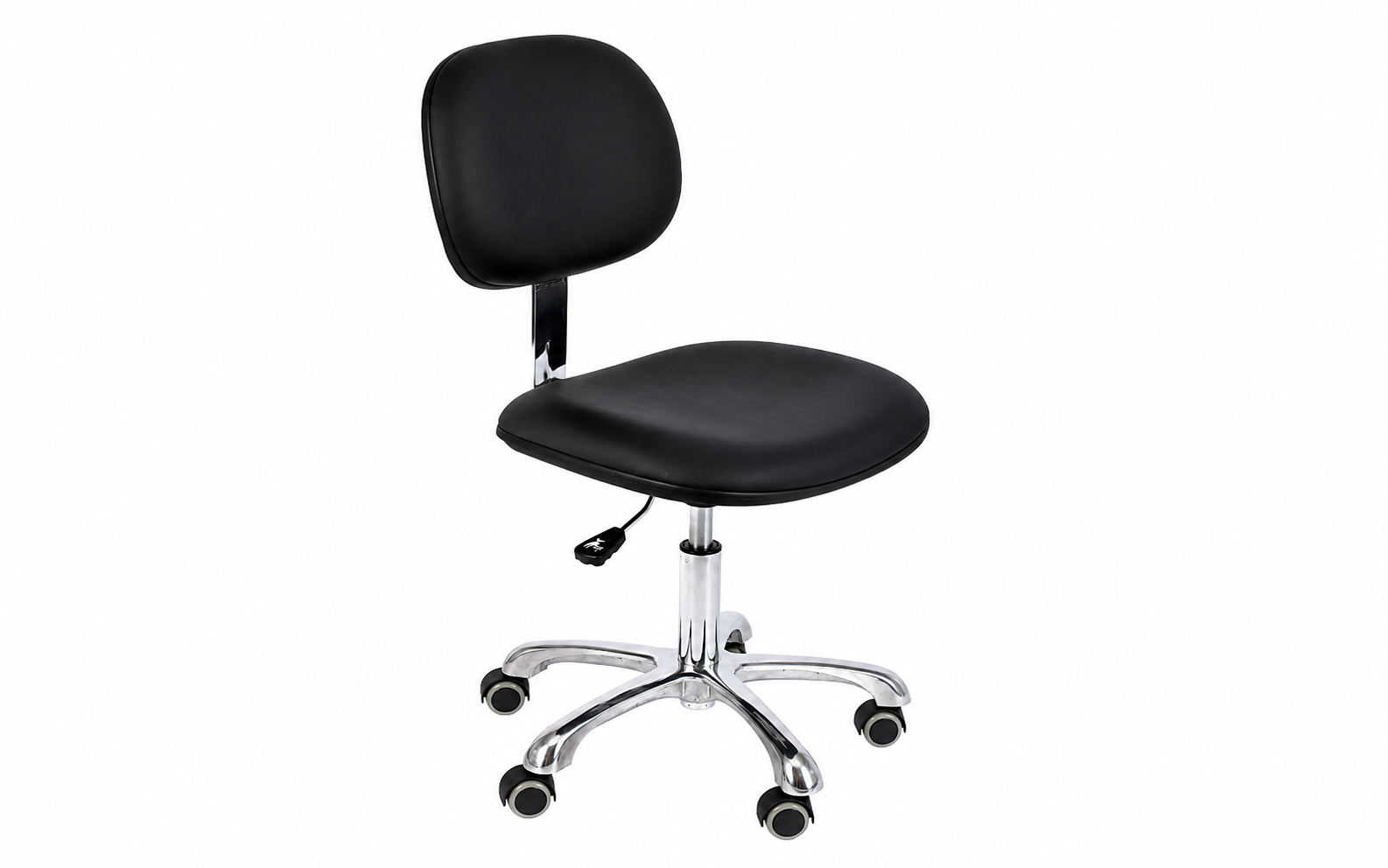
Importers in Argentina can reduce the impact of exchange-rate fluctuations on laboratory chair procurement margins by building a margin command center that monitors procurement exposure from the first supplier inquiry to the final customer payment. Instead of treating exchange movement as a finance department issue after the order is already placed, professional B2B importers should make currency risk visible in sales planning, product selection, stock decisions, quotation approval, and customer contract design. The command center can be a structured internal process supported by a dashboard that tracks supplier currency, purchase order date, payment deadline, freight estimate, customs-related assumptions, domestic delivery cost, local selling price, payment term offered to the customer, and expected gross margin after all variable cost changes. A product such as industrial polyurethane with chrome foot ring and casters adjustable laboratory chair can be evaluated through this model because it may be imported for universities, hospitals, pharmaceutical laboratories, biotechnology research facilities, food testing centers, technical education institutions, environmental analysis rooms, electronics testing areas, and industrial quality-control departments that expect dependable supply and stable project pricing. Argentine importers should classify every opportunity according to its exposure window: immediate stock sale, incoming shipment sale, confirmed special order, tender-based project, or annual supply arrangement. Each exposure window needs a different margin rule. Immediate stock may be priced with current inventory cost, while incoming shipment offers may require exchange adjustment language. Special orders may require deposits before the importer commits funds overseas, and tender projects may need shorter quotation validity or a documented review point before final confirmation. This approach attracts Argentine distributors and customers because it provides commercial discipline without creating confusion. Buyers can understand why a quotation has a validity period, why confirmed quantities receive stronger pricing, and why serious project planning can protect both sides from sudden cost changes. A margin command center transforms currency volatility from a vague market threat into a controlled B2B procurement process that supports trust, transparency, and sustainable profitability.
The second step is to design currency-triggered quotation rules that help sales teams protect margins while still giving Argentine customers practical purchasing options. Many importers lose profitability because their salespeople issue attractive quotations that are not connected to exchange thresholds, shipment timing, supplier payment terms, or customer payment behavior. When quoting industrial polyurethane with chrome foot ring and casters adjustable laboratory chair, the importer can create a quotation ladder with three clear levels: available stock pricing for products already landed and costed, protected project pricing for customers who confirm deposits within a defined period, and adjustable import pricing for orders that depend on future exchange conditions. This ladder should not sound defensive; it should be presented as a professional way to help customers plan procurement. For example, a university laboratory renovation may want a stable price for multiple classrooms, but the importer can only protect that price if quantity, product code, and payment date are confirmed. A hospital or diagnostic laboratory may need a longer approval cycle, so the quotation can include a review clause linked to the final purchase order date. A pharmaceutical or biotechnology buyer may prefer a framework agreement with scheduled releases, allowing the importer to buy in batches and reduce exposure. An industrial client may need fast replacement stock, so the importer can charge based on landed inventory plus a service premium. Supplier coordination is also important. Overseas manufacturers can support Argentine importers by offering production reservation windows, early cost alerts, stable component specifications, split-delivery options, and better documentation for customs and customer approval. Internally, every discount request should pass through a margin gate that checks whether exchange movement, freight variance, financing cost, and credit days have already reduced profitability. If the customer asks for extended payment terms, the importer should calculate the additional risk before approving a lower price. This protects the business from winning large orders that look impressive in revenue but weak in cash flow. By using currency-triggered quotation rules, Argentine importers can serve distributors and end customers more professionally, reduce emotional price negotiation, and strengthen confidence in laboratory chair sourcing decisions.
The third requirement is to combine procurement timing, channel communication, and after-order margin review so the importer learns from every transaction and improves future protection against exchange-rate volatility. After selling industrial polyurethane with chrome foot ring and casters adjustable laboratory chair, the importer should record the quotation date, supplier payment date, exchange level used for costing, exchange level at actual payment, freight and handling variance, customer payment date, credit days, discount approval reason, realized margin, delivery performance, customer satisfaction, and reorder probability. These records should feed a monthly margin review where managers compare expected profit with realized profit and identify where value was protected or lost. If margin loss came from a long approval cycle, future quotations may need shorter validity. If loss came from delayed customer payment, credit limits and deposit requirements should be adjusted. If loss came from freight or documentation changes, supplier coordination and shipment planning should be improved. If a customer repeatedly provides accurate forecasts and pays on time, that account may qualify for stronger price protection because its behavior reduces risk. Importers can also build a procurement calendar around predictable Argentine B2B demand periods, including education projects, healthcare expansions, industrial upgrades, and annual replacement cycles. Planned purchasing allows importers to consolidate orders, negotiate better supplier timing, and reduce emergency buying during unfavorable exchange moments. Channel education should support this system. Distributors and customers need content that explains why imported laboratory chair prices can move, how deposits protect project pricing, how landed cost affects final offers, and how early forecasting can improve supply continuity. SEO-friendly articles, quotation guides, procurement checklists, and distributor training pages can help attract Argentine buyers searching on Google for reliable laboratory furniture import partners. Ultimately, importers in Argentina can reduce the impact of exchange-rate fluctuations on laboratory chair procurement margins by using margin command centers, exposure-window classification, currency-triggered quotation rules, supplier timing coordination, disciplined credit review, procurement calendars, and realized-margin audits. This method protects profitability, improves buyer trust, supports larger B2B orders, strengthens distributor relationships, and creates a more resilient laboratory furniture sourcing model for Argentina’s professional market.
READ MORE